Why Your AC Freezes Up in a Conroe Summer, and What to Check First
A block of ice on your outdoor unit isn't a sign the system is working too hard. It's a sign something upstream is already broken.
October 20, 2026 · 4 min read
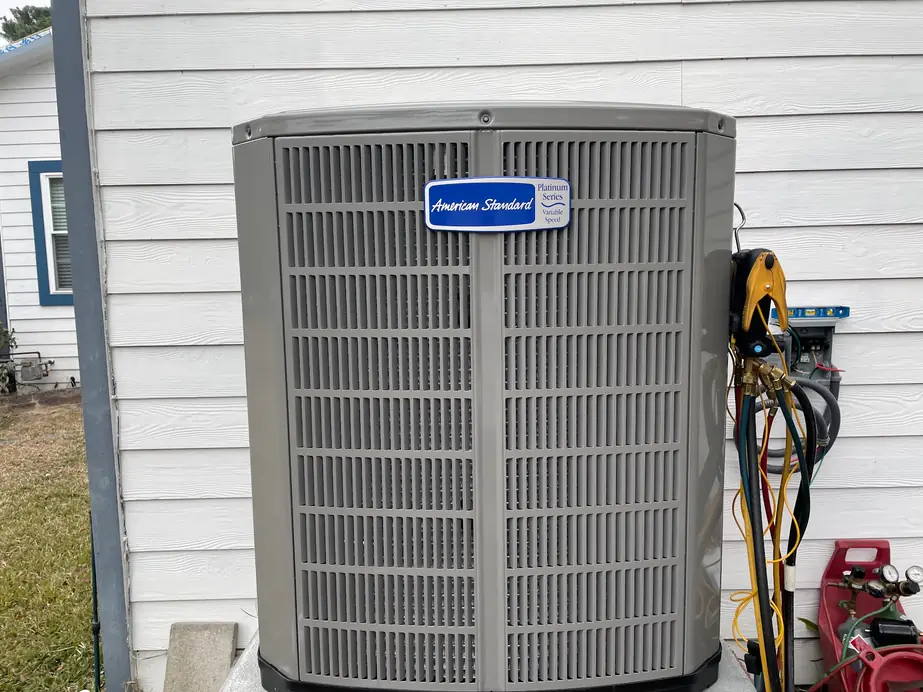
You go out back on a hundred-degree Conroe afternoon and there's frost, sometimes a solid sheet of ice, wrapped around the copper lines or the indoor coil. The air coming out of your vents has gone warm or stopped moving altogether. Your first instinct might be to crank the thermostat down further. Don't. A frozen coil is your system telling you it can't do its job, and running it harder just buries the actual problem under more ice.
The coil freezes because it's too cold for too long
An air conditioner's indoor coil is supposed to sit a bit above freezing while it's pulling heat and moisture out of your home's air. When something interrupts the normal balance of airflow and refrigerant, the coil temperature drops below thirty two degrees and the moisture in the air freezes right onto it instead of draining away. Once ice forms, it insulates the coil from the warm air that's supposed to pass over it, so cooling drops off, then the ice builds thicker, and the cycle feeds itself.
Three things usually cause it
- Restricted airflow, most often a filter that's overdue for a change, but also blocked supply or return vents, a collapsed duct, or a blower that's failing
- Low refrigerant, which almost always means a leak somewhere in the line set or coil, not simply a system that needs a top off
- A thermostat or fan problem that keeps the blower from running while the compressor keeps trying to cool
Check your filter before anything else
This is the one thing you can genuinely check yourself in under a minute. Pull the filter and hold it up to a light. If you can't see light through it, that's your answer. A clogged filter starves the coil of the warm return air it needs, and in a house running hard against a Texas summer that can happen faster than people expect, especially with pets or during pollen season. Swap it, turn the system off, and give the coil several hours to thaw completely before running the AC again. Never chip at ice with a tool. It's an easy way to puncture a coil.
Why low refrigerant isn't a simple top off
Refrigerant runs in a sealed loop. It doesn't get used up the way gas in a car does, so if the level is low, refrigerant has escaped somewhere, usually a small leak in the coil or a line joint. Adding more without finding and fixing the leak just buys a few weeks before the coil freezes again, and it means paying for refrigerant twice. A technician pressure tests the system to find where it's actually losing charge, then repairs that before recharging it to the right level for your specific equipment.
What running it frozen actually costs you
A compressor is built to compress refrigerant gas, not liquid. When a coil stays iced over and starved of airflow, liquid refrigerant can make it back to the compressor instead of fully evaporating first, and that's one of the more expensive ways to damage a system that was otherwise fine. Ice can also melt onto insulation, drywall, or flooring near the air handler once you shut things down, so the sooner it's addressed the smaller the mess.
Most freeze ups are preventable with a handful of ongoing habits rather than a one time fix. During peak summer, when the system is running most of the day, a filter can load up faster than the usual ninety day guideline, so it's worth checking it monthly during July and August rather than waiting for a fixed schedule. Outside, keep grass clippings, mulch, and shrubs away from the condenser so it can pull air freely. Inside, make sure furniture, curtains, and rugs aren't blocking supply or return vents, since a closed off room can throw the whole system's airflow balance off even when every filter is clean.
- Check or change the filter monthly during peak cooling season, not just quarterly
- Keep at least two feet of clearance around the outdoor condenser on all sides
- Leave interior vents and returns unobstructed, even in rooms you don't use often
- Have refrigerant charge and airflow checked as part of a seasonal maintenance visit, before summer puts the system under full load
When it's time to call
If you've changed the filter, given the coil a full thaw, and it freezes again within a day or two, that points to refrigerant or airflow beyond a filter, and it's worth having a technician look at it before the next hot stretch. Reliable Air & Heat has been servicing homes across Conroe, Magnolia, Montgomery, The Woodlands, Spring, and the rest of Montgomery County since 2009, with upfront flat rate pricing and no hourly charges, plus same day service and after hours emergency service for the days when a frozen system can't wait until Monday. Their listed hours run from 7 AM to 9 PM on weekdays and 7 AM to 7 PM on Saturdays, so you can call 936-890-8991 without waiting for the morning.
Reliable Air & Heat, 936-890-8991
Call 936-890-8991More articles
What Actually Happens During an HVAC Maintenance Visit, and Why Twice a Year
One visit before summer and one before winter catches the two failure seasons before they catch you.
Heat Pump or Gas Furnace? What Actually Makes Sense in Montgomery County
The right answer depends less on brand preference and more on how many genuinely cold nights your winter actually has.