When Repairing an Older AC Stops Making Sense
The right call usually comes down to age, repair frequency, and what's actually failing, not a single breakdown.
October 20, 2026 · 3 min read
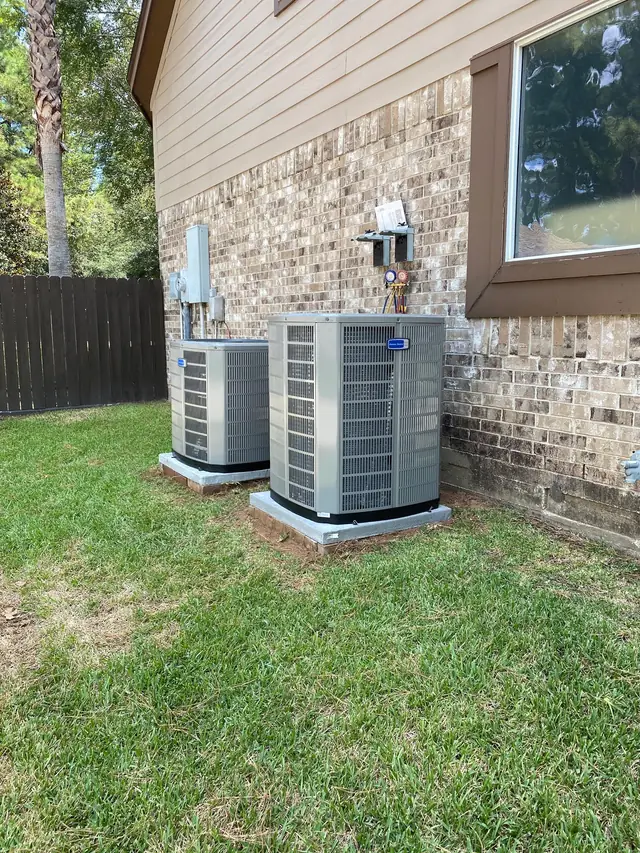
Every AC system eventually forces the same decision. Something breaks, the repair estimate lands in your inbox, and you're left wondering whether you're about to spend good money keeping an old system limping along or whether it's actually time to replace it. There's no single rule that fits every situation, but there are a few things worth weighing honestly before you decide either way.
Age is a real factor, not just a number
Central air systems typically run somewhere in the range of twelve to twenty years depending on how well they were installed, sized, and maintained, and how hard the climate runs them. A system already well into that range that needs a major component, a compressor, a coil, or a control board, is a different conversation than a five year old system with the same failure, because the older unit is also carrying more wear on everything else that hasn't failed yet.
Watch the pattern of repairs, not just the latest one
One repair in five years tells you very little. Two or three unrelated repairs in a single season tells you something real, that the system as a whole is starting to fail rather than one part having bad luck. If you're finding yourself on a first name basis with the repair line every summer, that pattern matters more than any individual bill.
Refrigerant type can tip the decision
Older systems were often built around refrigerants the industry has since moved away from, which can make the refrigerant itself harder to source and more expensive when a system needs a recharge after a leak repair. Ask your technician which refrigerant your system uses and what a recharge would involve before you approve the work. If your system uses an older refrigerant and needs a repair that involves the refrigerant circuit, that's worth factoring in alongside the age and repair history.
What tends to justify a repair instead
- The system is younger than roughly ten years and has an otherwise clean repair history
- The failed part is a common, inexpensive component like a capacitor, contactor, or fan motor rather than the compressor or coil
- The house is cooling and heating evenly otherwise, without the comfort complaints that usually signal a system that was undersized or poorly matched from the start
What replacement actually buys you
A new system isn't just about ending the repair calls. Equipment efficiency has moved meaningfully over the past decade, so a replacement can lower monthly utility costs on top of removing the repair uncertainty, and it starts a new warranty period on the equipment. Reliable Air & Heat's Loyalty Club Plus members get five hundred dollars off a system replacement, and financing with approved credit through Wells Fargo Bank is available on installations so the decision isn't limited to what's sitting in savings.
One useful gut check is to compare the cost of the repair against roughly a year or two of what a new system would run in monthly payments, given the financing available through Wells Fargo Bank. If a single repair estimate is already approaching that range on a system that's older and has a repair history behind it, the money is often better spent moving that first payment toward a system you know is starting fresh rather than toward a component in a unit that's already shown its age. It's not a rule that fits every case, since a young system with one unlucky failure is a completely different situation, but it's a useful way to frame the decision instead of reacting to whichever number happens to be in front of you at the time. It also helps to ask what else on the system is close behind the part that just failed, since replacing one component on an old unit rarely means the rest of it is suddenly good for another decade.
Getting an honest answer either way
The point of a repair or replace conversation isn't to sell the biggest job possible, it's to tell you honestly which side of the line your specific system falls on. Reliable Air & Heat has worked on systems across Conroe and Montgomery County since 2009 under their published Fix It Right or It's Free guarantee, with upfront flat rate pricing and no hourly charges, so there's no hourly clock running while a technician figures out what's actually wrong. Call 936-890-8991 and ask for a straight read on your system.
Reliable Air & Heat, 936-890-8991
Call 936-890-8991More articles
Why Your AC Freezes Up in a Conroe Summer, and What to Check First
A block of ice on your outdoor unit isn't a sign the system is working too hard. It's a sign something upstream is already broken.
What Actually Happens During an HVAC Maintenance Visit, and Why Twice a Year
One visit before summer and one before winter catches the two failure seasons before they catch you.